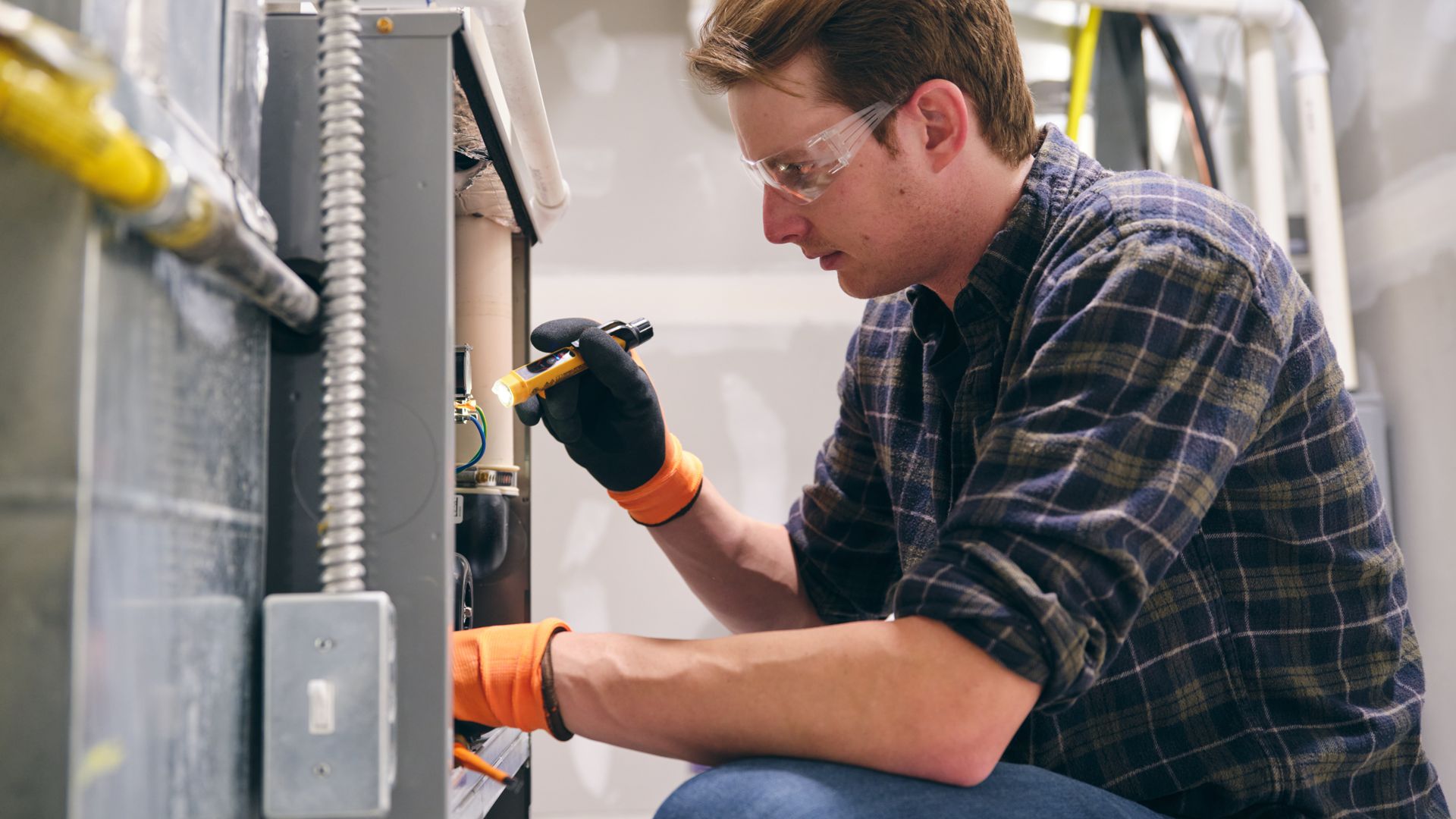
When winter grips Indiana, keeping your home warm and worry-free becomes more than a convenience—it’s an absolute necessity. After decades of serving families throughout Central Indiana, we know how easily the cold can reveal hidden issues with your heating system. Many homeowners discover that heaters that worked fine in mild weather can struggle or even break down during a harsh winter. Below, we address the most common winter heater problems in Indiana, share solutions that bring real peace of mind, and provide steps you can take to keep your household comfortable when temperatures dip.
What Are the Most Frequent Heating Problems in Indiana Homes During Winter?
Winter in Indiana often reveals problems in heating systems that may have gone unnoticed during milder months. One of the most common complaints is short cycling, where the furnace or heat pump repeatedly turns on and off within minutes. This issue usually stems from a dirty furnace filter, but it can also result from an incorrectly set thermostat or a failing flame sensor. Any of these can force the heater to work overtime without delivering steady warmth.
Ignition problems surge as temperatures fall, particularly with systems that depend on electronic ignition or intermittent pilot lights. Components such as igniters, flame sensors, or pressure switches can accumulate grime and wear after months of inactivity, potentially leading to failures during the winter months. If your heater won't start or keeps shutting down during start-up, these are likely culprits.
Uneven heating is another common concern, especially in older homes in Central Indiana. Some rooms feel cozy while others remain cold, which can result from leaky ductwork, obstructed registers, or weak blower motors. Snow and ice on exterior vents restrict airflow, compounding these issues. Finally, loud noises—such as bangs, squeals, or rattles—typically indicate worn parts or loose panels. If you hear unusual noises, it's a sign your system needs attention before a more serious breakdown occurs.
Why Does My Heater Struggle Only When Temperatures Drop Below Freezing?
Many homeowners notice their heating system runs well in the fall but begins to falter or fail when proper winter arrives with temperatures well below freezing. This shift is primarily due to a sharp increase in demand for your unit. When outside air dips into the twenties or below, any weak or aging part is far more likely to break down. Heaters must work longer and cycle more often to keep up with rapidly falling evening temperatures and persistent cold.
Outdoor HVAC components are also stressed by Indiana’s winter. Snow and ice buildup around heat pumps or vents can choke airflow, while freezing rain and sleet create blockages inside pipes—both leading to reduced efficiency or sudden shutdowns. Homes with older or undersized systems will notice performance issues more quickly as the season deepens.
Even minor maintenance issues—such as dust on burners or ignition systems—can cause serious problems when systems run continuously during deep freezes. That’s why we always recommend that Indianapolis and Central Indiana homeowners schedule preventative heating maintenance before the season’s harshest weather strikes.
Why Is My Heater Blowing Cold Air?
Few things are as frustrating as a heater that blows cold air when you need warmth most. The culprit is often as simple as a thermostat setting—if the thermostat is set to “on,” the blower may circulate air even when the burners aren't engaged. Double-check that your thermostat is set to “auto” and programmed for heating.
Dirty or clogged filters are another leading cause. When airflow is restricted, your heating system can overheat. Many units have safety features that shut down the burners but keep the fan running, resulting in cool air coming through your vents. Energy supply interruptions—whether from a natural gas, propane, or electric heater—become more frequent when demand increases during frigid weather.
Mechanical failures can also be to blame. Faulty igniters, malfunctioning gas valves, and blown fuses are all common issues. If your system appears to be operating but only pushing out cool air, it’s often safest to check your filter and thermostat settings first. If the problem persists, contact a certified technician for a professional evaluation.
How Can I Tell If My Furnace Problem Is an Emergency or Can Wait?
It can be tough to decide when to call for emergency furnace repairs—especially in the middle of an Indiana winter. Some issues require immediate attention. If you ever smell natural gas or suspect a leak, evacuate the area immediately and contact your utility services. The same goes for furnaces that won't run at all during a cold snap, especially if you have vulnerable family members or pets in the home.
Loud noises, such as banging, screeching, or grinding, may also indicate significant problems. These sounds could indicate that something is dangerously out of place or at risk of failure. If your furnace repeatedly trips circuit breakers or shows signs of electrical burning, unplug it immediately and contact a service provider.
Other problems, like short cycling or inconsistent heat, may be inconvenient but are less urgent if your home remains warm and safe. However, even minor symptoms shouldn’t be ignored for long, as deferred service can turn a minor repair into a costly emergency in extreme conditions.
What Do Common Furnace Error Codes & Warning Lights Really Mean?
Furnaces use error codes or warning lights to communicate when something’s wrong. Many systems utilize flashing lights or digital displays to indicate issues such as ignition lockouts, flame sensor errors, or pressure switch faults. If you notice your furnace blinking a repeated pattern or see an error code in your manual, it’s sending a message about the system’s health.
Ignition lockouts are often due to a dirty flame sensor or an issue with the igniter itself. If the system’s venting is blocked—by ice, snow, or a bird’s nest in the flue—you may see a pressure switch error. An overheating furnace may display a high-limit switch code, which often indicates restricted airflow due to dirty filters or blocked ducts.
As error code meanings vary by brand, always refer to your owner's manual or the manufacturer’s online support. Suppose you experience recurring error codes even after replacing the air filter or performing a safe reset. In that case, it’s time to contact a NATE-certified technician for a more thorough diagnosis and a lasting solution.
How to Safely Reset or Respond to Furnace Error Codes
If you notice an error code, start by performing a simple power reset. Switch off the furnace at the primary power source, wait at least 30 seconds, then turn it back on. This simple process fixes many electronic glitches. Next, check your furnace filter: a dirty filter causes many standard codes and is a quick, low-risk fix for homeowners to handle themselves.
If the code relates to ignition or flame sensing, you can gently clean a visible flame sensor using a soft, dry cloth, taking care to avoid contact with other components. However, don’t attempt repairs beyond this—especially if wiring or gas components are involved. Repeatedly cycling a faulty unit can cause more significant issues or expose your family to hazardous conditions.
When a simple reset and new filter don't clear the issue, note the exact blinking pattern or display code and share it with your technician. Offering this information upfront helps pinpoint the cause quickly, streamlining your service appointment and reducing the risk of prolonged cold in your home.
What Causes Short Cycling & Frequent Shutoffs in Indiana Homes?
Short cycling is a disruption where the heating system rapidly turns on and off—never staying on long enough to heat your space properly. In Indiana, this is most frequently due to restricted airflow, such as a dirty filter, blocked supply or return vents, or closed-off ducts. When airflow is compromised, the furnace or heat pump heats up too quickly, triggers safety mechanisms, and then shuts down to cool off before restarting.
Poor thermostat placement can also trigger short cycling. If the thermostat is too close to a drafty door, a sunny window, or a nearby heat source, it may misread your home’s actual temperature and signal the system to shut down prematurely. That’s why we take the time to evaluate thermostat location during maintenance visits to ensure you get steady performance every season.
In some cases, short cycling points to deeper issues, such as an overheating blower motor, a failing control board, or a heater that’s too small for your home. Snow and ice blocking vents can also contribute to these cycles, especially during severe weather in Indiana. Regular heating maintenance is the best way to prevent these headaches, helping systems run more evenly & efficiently all season.
Why Do Energy Bills Increase in Winter—Is My Heater the Culprit?
If you notice a sudden spike in your winter energy bills, it’s natural to wonder whether your heater is draining extra electricity or gas. Some increase is expected due to longer operating hours, but exceptions may indicate your system is working harder than it should. Clogged air filters, worn-out parts, & leaky ductwork commonly force heaters to run longer, drawing more energy for the same level of comfort.
Poor insulation is another culprit—drafty windows, gaps under doors, or thin attic insulation let warm air escape, forcing your system into overdrive. Even the most well-maintained heating system struggles against poor insulation, especially during Indiana’s coldest months. Track your thermostat settings and compare them with those from previous seasons to identify any abnormal usage.
Rate increases by utility companies or simultaneous use of electric heaters & humidifiers can add even more to bills. If higher costs persist, schedule an inspection with a qualified technician to rule out inefficiencies or developing issues in your heater, and request guidance on efficient home practices tailored for Indiana’s climate.
What Preventative Steps Keep Indiana Heaters Running Strong All Winter?
A little preparation goes a long way when it comes to home heating performance. Start with a professional preventive maintenance appointment early in the fall. A certified technician will check gas connections, clean burners, test for carbon monoxide leaks, and verify safety switches—helping you avoid breakdowns during the height of winter. Regular tune-ups also keep your system running at its optimal efficiency, reducing energy costs and extending equipment life.
Between professional visits, homeowners should consistently change their air filters, which should be done every 1 to 3 months, depending on the indoor air quality and usage. Keep at least three feet of clear space around the furnace for optimal airflow and safe technician access. Check exterior exhaust vents for ice and snow obstruction after storms, gently clearing any buildup.
Signing up for a maintenance plan with a trusted Indiana HVAC provider, such as our Total Comfort Maintenance Plan, grants homeowners confidential seasonal check-ups, priority response times, and a detailed rundown of potential trouble spots. This hands-off approach reduces the risk of overlooked problems & brings a layer of security throughout the heating season.
How Do Humidity & Indoor Air Quality Affect Your Heater’s Performance?
Winter dryness is a widespread problem in Indiana homes. As the air dries out, it pulls moisture from your skin, wooden furniture, and even some building materials. Low humidity in winter causes indoor air to feel colder, prompting families to raise their thermostat settings, which increases strain on the heater and can further drive up utility bills.
Declining air quality also affects the performance of furnaces. Dust, pet dander, and airborne particles accumulate more quickly inside sealed houses and can clog filters, block airflow, and overburden blower fans. Poor air quality can trigger allergies or respiratory discomfort, especially if family members are sensitive to airborne irritants.
Proactive solutions include installing a whole-home humidifier to maintain safe moisture levels and utilizing advanced air filtration systems to reduce particles circulating through your ducts. Monitoring both humidity and air purity gives you more control over comfort, efficiency, and the long-term performance of your heating system—all crucial elements for a healthy winter home in Indiana.
Take Confident Steps to Stay Warm & Safe in Indiana This Winter
Facing heating problems during an Indiana winter is more than a challenge—it’s a disruption to daily life and personal comfort. We believe every resident deserves a home that’s reliably warm & secure, no matter how harsh the weather becomes. With over 70 years of serving this community as a family-owned business, we’re committed to providing straightforward guidance, skilled service, and proactive solutions tailored to Central Indiana winters.
If you’ve started to notice furnace trouble, changes in your energy bills, or you want to prepare for the months ahead, take action now. Review your own maintenance routine, schedule a checkup before severe weather hits, or consider enrolling in a maintenance plan that provides ongoing reliability. By partnering with a team known for honesty, thoroughness, and round-the-clock readiness, you’ll gain peace of mind that lasts all season.
Your comfort remains our top priority—now and throughout every winter in Indiana. To schedule service, discuss maintenance options, or connect with a knowledgeable team member, call (317) 830-3010. Let’s make sure your home stays warm, safe, & stress-free this season and beyond.